
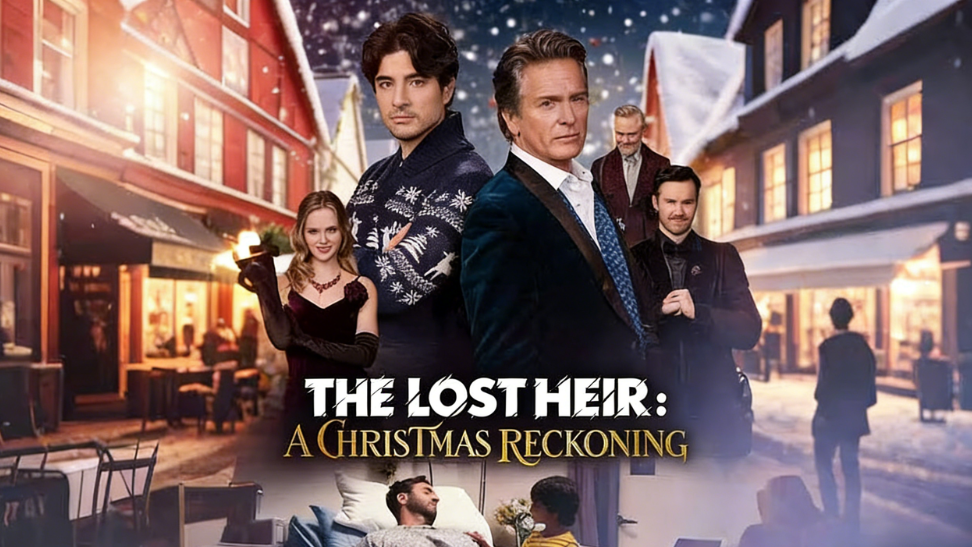
When most Christmas stories lean toward cozy nostalgia, The Lost Heir: A Christmas Reckoning flips the script with a short drama that blends betrayal, identity twists, and satisfying revenge against a glittering holiday backdrop. Released in 2025, this series has caught attention on short-drama platforms for its compelling emotional arc and addictive pacing, making it a go-to choice for viewers who crave both sentiment and satisfaction in equal measure.
The premise is classic but fresh: on Christmas Eve, lowly maintenance worker Alex Thorne is dumped by his fiancée, who not only leaves him but steals his revolutionary patent. Publicly humiliated alongside her new fiancé at the company’s holiday party, Alex is pushed to his lowest point. But just as the lights dim, a powerful stranger interrupts the humiliation and reveals a stunning truth — he’s Alex’s long-lost father. From this reveal grows a partnership that aims to turn the tables on betrayal, injustice, and corporate cruelty in a holiday showdown no one around them will forget.
This structure gives the short drama a distinctly cinematic narrative arc: setup, reversal, and payoff are all tightly interwoven within a series of short, emotionally charged episodes that never overstay their welcome.
The strength of The Lost Heir: A Christmas Reckoning lies in its character work, particularly in the transformation of its lead. Alex’s journey from downtrodden worker to a man reclaiming his worth is relatable and emotionally rich. According to viewer summaries from platforms like BiliBili, actors Haley Lohrli and Rhett Wellington bring authenticity to their roles, anchoring the story’s emotional beats with grounded performances that make viewers care about every step of Alex’s rise.
The reveal of a long-lost parent adds depth rarely seen in short dramas. Rather than being a simple plot twist, the father figure becomes a mirror for Alex’s emotional and psychological evolution — someone who embodies both the comfort of reunion and the challenge of legacy.
Meanwhile, the fiancée and her new partner serve as effective antagonists whose arrogance and betrayal provide clear emotional stakes. Their mockery isn’t just dramatic bait; it humanizes Alex’s struggle and fuels the audience’s desire for his eventual vindication.
Underneath its holiday trimmings, the series explores themes of identity, self-worth, and justice — motifs that resonate deeply with audiences around the world. On one level, this is a revenge tale — a satisfying arc in which the wronged rightly reclaims agency. On another, it is a story about reconciliation and rediscovery of self after betrayal.
The Christmas setting adds emotional texture: the cold, festive backdrop highlights Alex’s loneliness at the outset, making his eventual reclamation of dignity feel especially powerful. It’s this balance — between the yuletide cheer surrounding the characters and the personal storm they endure — that gives the short drama its emotional punch.
Audiences connect with the universal truth at the center of the story: that betrayal, when overcome with resilience and support, can lead to growth. This thematic resonance is a reason short dramas like this one can feel bigger than their runtime suggests.
Unlike many short dramas that rely on quick shocks or melodramatic pacing, The Lost Heir: A Christmas Reckoning builds tension through balanced reveals and character interplay. The holiday party scene — where Alex’s humiliation turns into his reckoning — is a narrative pivot that the series handles with craft rather than cheap theatrics.
The episodic format keeps the momentum brisk while allowing viewers to savor each emotional beat. The reveal of familial ties late in the narrative is one of those moments that transforms the viewer’s understanding of the story and adds layers to a character who might otherwise be a simple underdog archetype.
While precise industry ratings like an IMDb score aren’t widely published yet, its strong presence on short drama platforms and repeated circulation in viewer playlists points to positive audience reception and reliable fan engagement.
At its core, this short drama taps into a blend of catharsis and aspiration. Many viewers enjoy stories where the overlooked hero not only gets vindication but discovers something greater about themselves in the process. That journey — from humiliation to triumph — is deeply satisfying, especially when wrapped in a holiday theme where “miracles” and “second chances” feel emotionally resonant.
Moreover, the blend of personal reinvention with familial discovery gives weight to what could have been a simple revenge story. This depth is what distinguishes The Lost Heir: A Christmas Reckoning from simpler holiday fare and positions it as a standout example of what short dramas can achieve when they marry strong narrative arcs with emotional authenticity.
The Lost Heir: A Christmas Reckoning is a short drama that manages to be both cathartic and heartfelt. Its compelling premise, strong character dynamics, and emotional themes make it ideal for viewers who crave bite-sized storytelling with meaningful impact. It proves that even in short formats, narratives can carry weight, deliver satisfying payoffs, and leave audiences emotionally fulfilled — all against the festive backdrop of a Christmas they’ll remember long after the credits roll.