

Most revenge stories start with a fall. The Discarded Ace starts with something quieter and colder — an absence. An 18-year silence where a family simply chose not to acknowledge that one of their own existed.
No dramatic confrontation, no public humiliation — just the slow, unspoken message that Leo was not wanted, not valued, not worth keeping. That kind of wound doesn't make you angry. It makes you precise. And precision is exactly what makes this discarded ace drama the most satisfying watch of the season.
| Category | Details |
| Title | The Discarded Ace |
| Format | Short-form Drama / The Discarded Ace movie (Supercut) |
| Primary Theme | Outcast to God of Gamblers |
| Episodes | 41 Episodes |
| Platform | NetShort MiniShort |
The story follows Leo, an abandoned heir who spent nearly two decades training under a reclusive gambling legend. When he finally returns to the Wilson family, it’s not out of sentiment. He returns because the table is on fire, and he happens to be carrying a bucket.
The Wilson family is currently being dismantled by the ruthless Blackwood clan in a deadly, high-stakes gamble. The irony is elegant: the family that discarded Leo now desperately needs the exact skills he acquired because of that abandonment.
What distinguishes this from a standard underdog arc is the 18-year gap. This isn't a training montage; it's a complete parallel life. By the time Leo walks back through their door, he has already evolved from an outcast heir god of gambler into something his family cannot even comprehend. He isn't trying to match them; he has already surpassed them.
● Leo — The Quietly Prepared: Leo’s strength isn’t just in his hands; it’s in his relationship with proof. He doesn't announce his credentials. Every move is a demonstration. This is the psychological signature of someone who learned early that words carry no guarantee.

● The Wilson Family — The Mirror: They represent the dramatic weight of being saved by the one you threw away. The drama never lets them off the hook. Every time Leo defends them, the audience is reminded of the true cost of what they discarded.

● The Blackwood Clan — The Catalyst: They exist as a structural mechanism to force Leo’s hand. Without their ruthlessness, Leo has no stage. They create the "all-or-nothing" pressure that allows his mastery to shine.
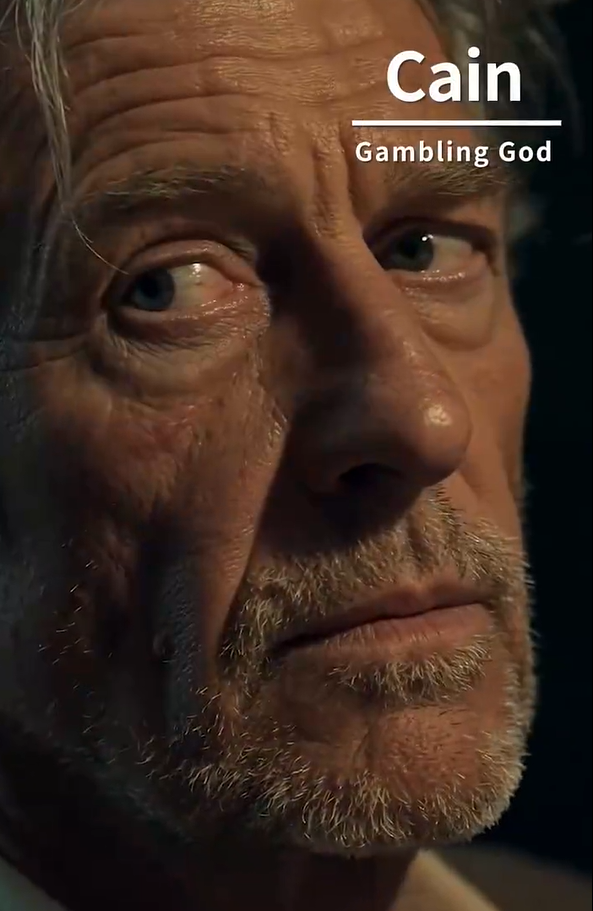
The series runs on a consistent, addictive loop that keeps the CTR on streaming platforms high:
1. The Dismissal: Leo is underestimated by his peers.
2. The Deterioration: The situation spirals out of control for everyone else.
3. The Revelation: Leo resolves the conflict with a technique that is impossible to deny.
This cycle ensures that the "Feel-Good" and "Karma Payback" tags are earned in every single episode.
If you're looking for the full the discarded ace cast list or ways to stream the series, see the details below:
● Where to Watch: Available exclusively on the NetShort and MiniShort.
● Availability: Episodes 1–9 are typically free for a preview, with the full series available via subscription or virtual currency.
● Format Options: You can watch as individual 1-2 minute chapters or look for the discarded ace movie supercut versions often featured on trending lists.
It follows Leo, an abandoned son who returns after 18 years as a master gambler to save the family that once rejected him from a deadly debt.
The series features a breakout ensemble of short-drama specialists. For the full verified cast list and actor profiles, we recommend checking the official NetShort series page.
While originally released in episodic format, many platforms offer a "vertical movie" version that compiles all 41 episodes into a single continuous viewing experience.
Unlike typical stories, the "God of Gamblers" aspect is used as a tool for justice rather than just wealth, focusing on Leo's precision and psychological warfare.
READY TO WATCH FREE: