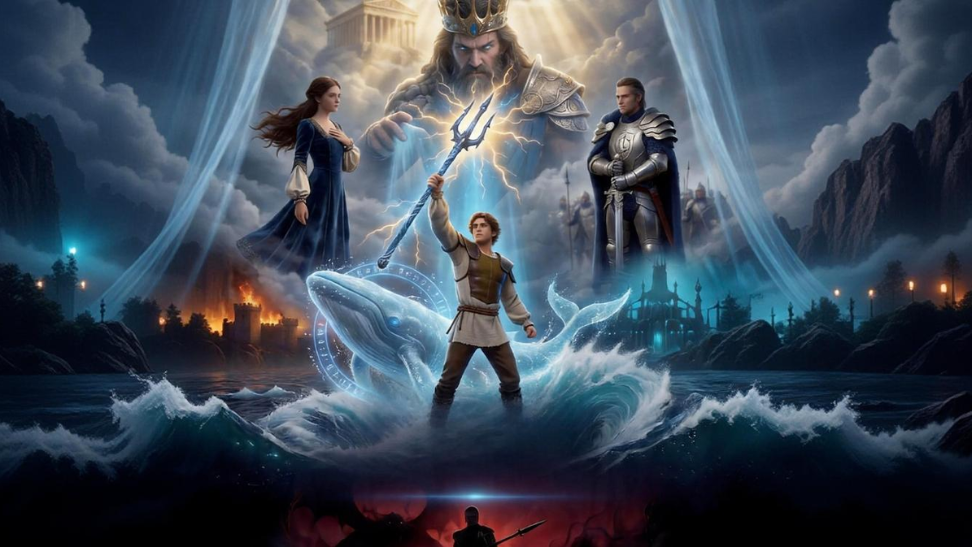
There's a specific kind of story that works every single time: the one where everyone who ever looked down at someone is forced to watch that person become untouchable. Burned at the Stake, Crowned by the Sea — streaming now on NetShort — takes that formula, wraps it in Greek mythology, and lights it on fire. Deliberately.
Before analyzing what happens in this short drama, it's worth asking: why does this premise work so immediately?
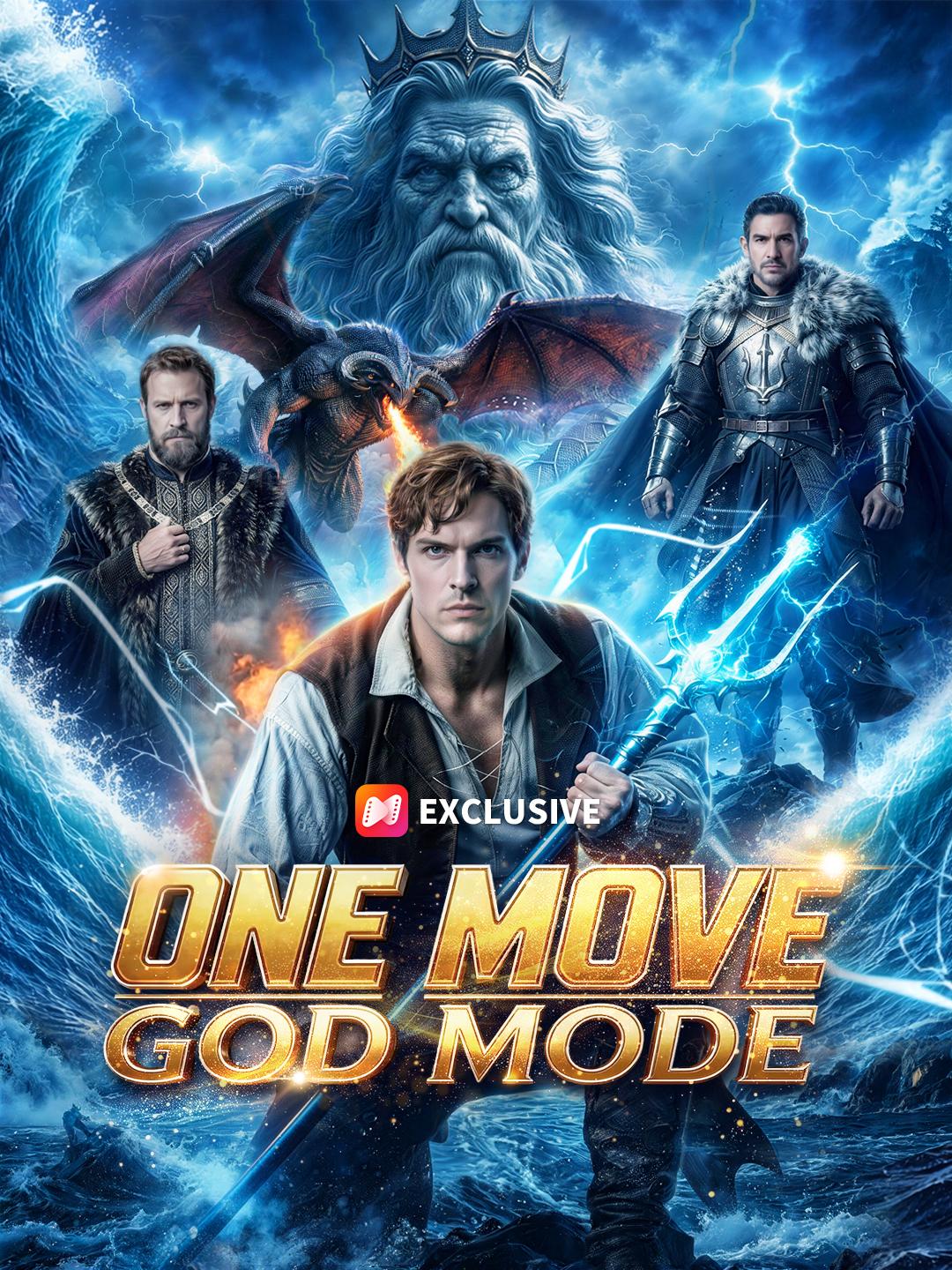
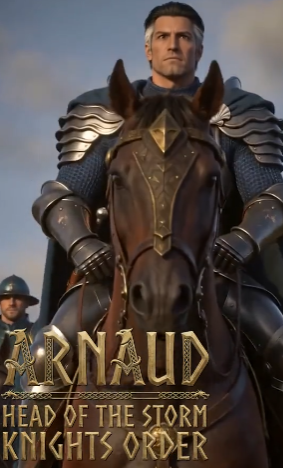
The opening image — a man in a farmer's clothes, holding a rusty pitchfork, walking into a knight's trial surrounded by armored nobles — is an almost perfect visual articulation of social humiliation. Ethan doesn't look like a hero. He doesn't act like one. He has been shaped, deliberately, by the people around him into believing he is worthless. That's not an incidental backstory detail. It is the drama's entire engine.

Ethan, son of Poseidon, lives as a lowly farmer, tricked into thinking he's worthless. He enters a knight trial with a rusty pitchfork — his father's hidden trident. The gap between what Ethan believes himself to be and what he actually is constitutes the core dramatic tension of the entire series. And the show makes you sit in that gap, episode by episode, before detonating it.
This structure isn't just entertaining. It's a psychological contract with the audience. The show asks you to feel the weight of every sneer, every dismissal, every moment of public disgrace — so that the payoff hits that much harder when the "trash" picks up a weapon and reshapes the world.
Most underdog stories work through effort — the protagonist trains, suffers, and slowly earns recognition. Burned at the Stake, Crowned by the Sea does something more mythologically interesting: Ethan doesn't earn his power. He discovers it was always his.
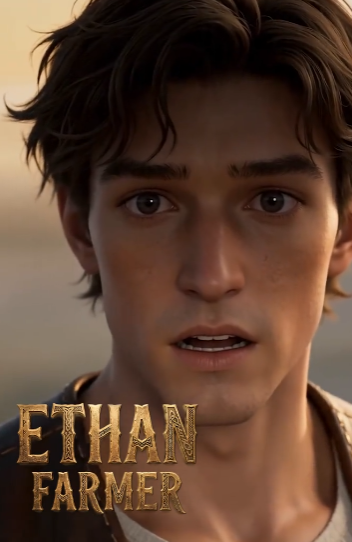
That distinction matters enormously. The drama isn't a story about becoming worthy. It's a story about having been lied to about your own worth. Ethan was never a farmer. He was never worthless. He was a hidden god, raised in a fog of false identity engineered by the world around him. The moment the trident reveals itself isn't a reward — it's a correction. A rebalancing of a reality that was always wrong.
This gives his character an unusual dramatic function: he's both a victim of deception and a force of nature waiting to be uncaged. The nobles who humiliated him at the trial didn't just wrong a man — they insulted Poseidon's bloodline without knowing it. That irony is the show's most satisfying recurring beat. Humiliated by nobles, he unleashes godlike power and rises from trash to legend. The revenge isn't just personal. It's cosmically proportional.
The antagonists in this drama are largely defined not by complexity but by function — and understanding that function reveals how cleverly the story is engineered. The noble class exists to manufacture humiliation on a schedule. Each act of contempt toward Ethan is a brick being placed in a wall that, when it falls, will fall on them.
What makes this dramatically effective rather than monotonous is the specificity of the insults. Ethan doesn't enter the knight trial as a random commoner — he shows up with a farming tool, the most visually loaded possible symbol of low status in a world that values combat nobility. The mockery writes itself, and the show knows it. It lets the humiliation be theatrical, even operatic, so that the reversal carries the same theatrical weight.
This is the drama's smartest structural choice: matching the scale of the fall to the scale of the rise. You don't get a god-level awakening after a minor slight. The cruelty has to be total, public, and seemingly permanent — which is exactly what the nobles provide.
This is the question that separates a surface-level fantasy drama from one that actually earns its genre trappings. Does the Poseidon mythology matter here, or is it just a flashy coat of paint over a standard revenge structure?
The answer is: it matters more than it appears to. Awakening his divine heritage, he crushes his enemies and sets off for Olympus. That final destination — Olympus — is not a metaphor for social success or financial power, the usual endpoints for underdog dramas. It's a literal mythological destination. Ethan isn't trying to become the richest man or the most respected noble. He's returning to where he belongs in the cosmic order.
This changes the emotional register of the entire story. His journey isn't about revenge against individuals — it's about reclaiming a position in the universe that was stolen from him before he even knew it existed. The enemies he crushes are obstacles on a divine path, not just personal antagonists. That framing elevates the stakes considerably and gives the series room to escalate beyond the typical "face-slapping" structure of the genre.
Burned at the Stake, Crowned by the Sea is categorized on NetShort under "Underdog Rise" and "Karma Payback" — two of the platform's most-watched genre tags — and it earns both designations without leaning too hard on either. The karma payback is visceral and satisfying. The underdog arc is mythologically charged.
But the real reason viewers keep watching is simpler: the show understands that the most powerful dramatic question isn't "will the hero win?" It's "how completely will the people who were wrong about him be forced to witness how wrong they were?" That question keeps the engine running all the way to Olympus.
Burned at the Stake, Crowned by the Sea is available to stream exclusively on NetShort (netshort.com). The drama is currently listed on the NetShort homepage alongside the platform's other top titles. The full movie version is also available on Dailymotion for those who want to watch in one sitting. NetShort delivers mini-series episodes up to one minute long, designed for immersive, on-the-go viewing.
recos:
Q1: What is Burned at the Stake, Crowned by the Sea about?
It follows Ethan, the secret son of the Greek god Poseidon, who has been raised as a lowly farmer and led to believe he is worthless. When he enters a knight's trial carrying what appears to be a rusty pitchfork — actually his father's hidden divine trident — he awakens his godlike power, defeats his enemies, and begins his journey toward Olympus.
Q2: Where can I watch Burned at the Stake, Crowned by the Sea full episodes?
All episodes are available on NetShort (netshort.com), the drama's official streaming platform. A full-movie version can also be found on Dailymotion. The NetShort app is available on both iOS and Android for mobile viewing.
Q3: Is Burned at the Stake, Crowned by the Sea a fantasy or action drama?
It's both. The story blends Greek mythology with a classic underdog-revenge arc, featuring divine power awakening, combat sequences, and a structured "rise from nothing" narrative driven by the protagonist's hidden identity as Poseidon's son.
Q4: What makes Burned at the Stake, Crowned by the Sea stand out from other underdog dramas?
Unlike most underdog stories where the hero earns power through struggle and training, Ethan's power was always his — it was hidden from him. The drama frames his journey not as becoming worthy, but as reclaiming an identity that was stolen. That shift in premise, combined with the mythological destination of Olympus as the final goal, gives the series an unusually elevated sense of stakes.