A New Wave of AI-Generated Mini Dramas Explained
Have You Noticed Something Strange About Short Dramas Lately?
Maybe you’ve scrolled past a mini drama that looked like anime —
but the characters didn’t move like traditional animation.
Or the scenes felt like manga panels… except they were animated just enough to catch your eye.
Or you saw a creator produce an entire “anime-style” short in a single day and thought:“Wait. How did they make this so fast?”
“Is this AI?”
“Is this the future of mini dramas?”
If you’ve ever asked any of these questions, congratulations —
you’re already curious about AI animation / AI anime / AI-generated mini dramas, one of the fastest-growing new formats in short-form storytelling.
This article breaks down everything you need to know as a viewer —
no tech jargon, just clear explanations of what this new content looks like, how it’s made, why it’s everywhere, and whether it’s actually any good.
These three terms show up everywhere now:
● AI animation — animation generated or assisted by artificial intelligence
● AI anime — AI-generated anime-style visuals
● AI vedio — a very common search misspelling of “AI video” (but used widely enough that creators treat it as a keyword)
When people talk about these terms in 2025, they usually mean one thing:
Short, anime-style videos or mini dramas created with help from AI tools.
They look like a mix of animation, manga, and motion graphics —
often dramatic, fast-paced, stylized, and perfect for short-form platforms.
The reason this trend exploded is simple:
AI dramatically shortens the animation pipeline while keeping the “anime feel” that viewers love.Here’s the simplified version of how an AI anime mini drama comes to life:
Creators can generate plot ideas, character backgrounds, episode arcs, and dialogue in minutes.
Diffusion models can instantly produce:
● anime-style characters
● backgrounds
● comic-style panels
● even full storyboard sequences
This is why AI anime often has a unique, consistent visual style.
Modern video models can add simple motion:
● camera zoom
● blinking
● hair movement
● emotional lighting
● dramatic transitions
It’s not Disney-level animation —
it’s more like “animated manga panels,” and that style works surprisingly well for mini dramas.
AI can generate character voices, change tone, and localize them into other languages.
This part is evolving fast — and yes, sometimes it sounds too robotic, but creators are improving their workflow quickly.
AI handles timing, transitions, captions, and vertical-video formatting.
The result?
A single creator can produce a full mini-episode in hours rather than weeks.
AI anime has already shown up in high-profile places — sometimes inspiring audiences, sometimes sparking controversy.

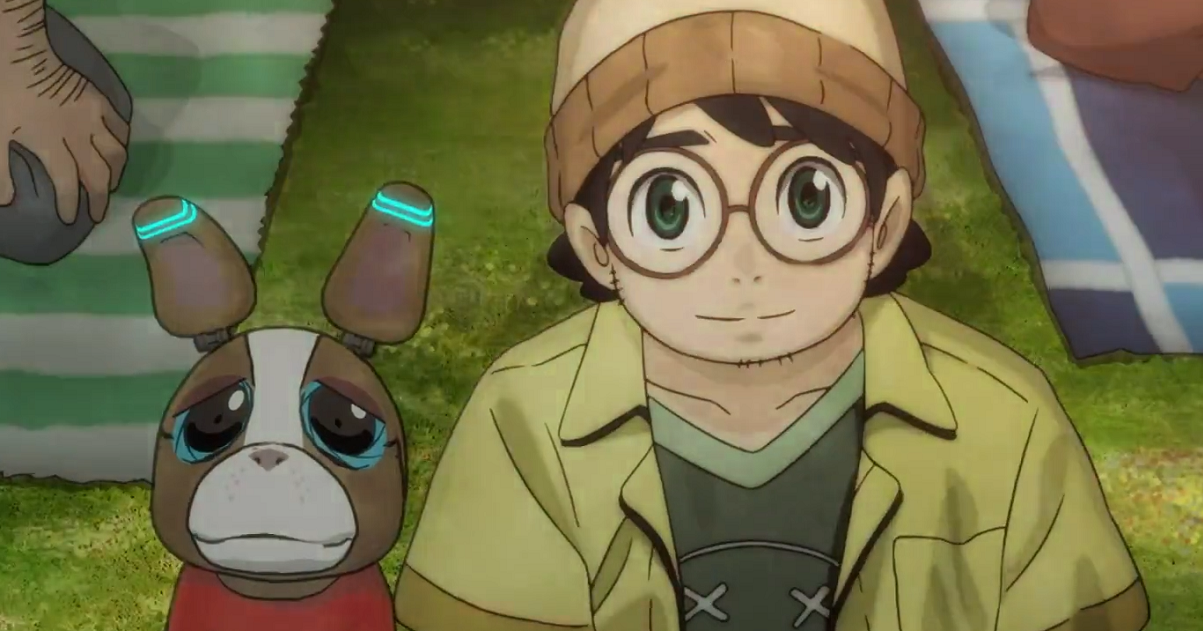
This short film used AI-generated backgrounds with human-animated characters.
It was one of the earliest mainstream experiments and triggered global debate about the future of animation.

In early 2025, Prime Video quietly released several anime titles with AI-generated English dubs.
Fans immediately noticed the flat emotional tone and “robotic” delivery, leading to widespread criticism.
Prime removed the AI dubs shortly after.These examples reveal a core truth:
AI anime is powerful, but still imperfect.
It’s improving fast, but emotional nuance remains a challenge.
From a viewer’s standpoint, the reasons are surprisingly relatable.
AI anime fits the format of modern mini dramas:
● short episodes
● dramatic twists
● exaggerated emotions
● strong visual hooks
Perfect for a quick watch.
Whether it's dreamy lighting, stylized anime faces, or dynamic camera angles, AI anime has a unique, eye-catching aesthetic.
This means more:
● wild plotlines
● fantasy elements
● supernatural twists
● over-the-top characters
AI encourages experimentation — which means more interesting content for viewers.
This democratizes storytelling, giving rise to new voices and unexpected hits.
AI anime is exciting, but viewers should be aware of the flaws:
Facial animations and body movements sometimes look stiff or uncanny.
Especially in emotional scenes — which matters a lot in mini dramas.
Some viewers worry about the training data behind AI tools.
Because anyone can publish, AI anime ranges from “shockingly good” to “clearly unfinished.”
Yet despite these issues, curiosity and enthusiasm continue to grow.
Based on current trends, here’s where things are headed:
● Video models will get smoother and more expressive
● AI anime will become a stable, recognized genre
● Hybrid workflows (AI + human creators) will likely produce the best content
● Viewers will see more serialized AI mini dramas with higher production value
● Platforms may open dedicated AI-generated content categories
AI won’t replace traditional animation — but it will sit beside it as a new category, just like motion comics, webtoons, and vertical dramas.
Absolutely —
not because it will replace your favorite traditional anime,
but because it offers something different:
● quicker stories
● bold visual styles
● unpredictable creativity
● weird, experimental, sometimes brilliant mini dramas
● and a constant sense of “I’ve never seen this before”
AI anime brings a fresh spark to the world of short dramas —
and if you enjoy discovering new formats and new visual storytelling styles,
it’s worth keeping an eye on what creators are making next.