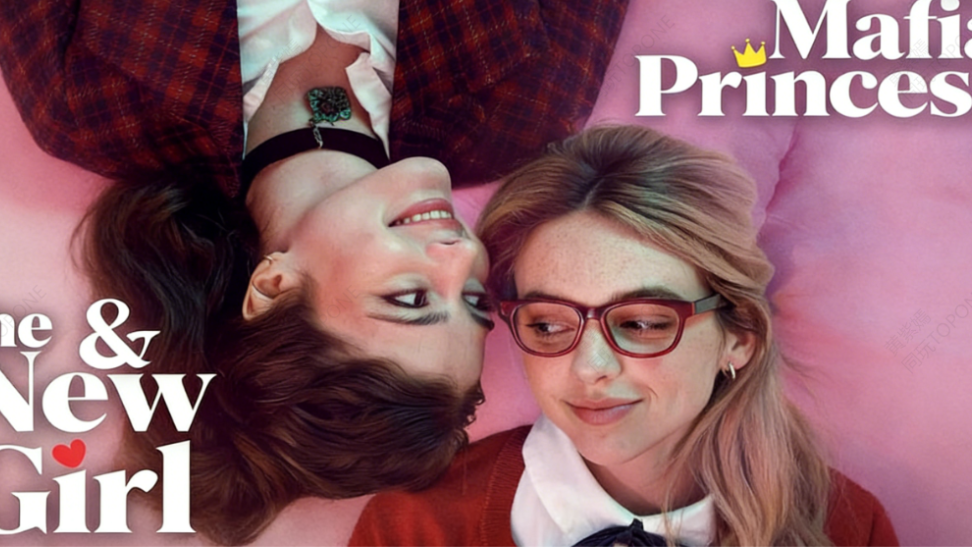
Targeted and bullied on her very first day at a prestigious elite school, Emma expects her life to become a living nightmare. Instead, she finds an unexpected shield in Bea—the school’s most enigmatic figure and the rumored heir to a sprawling mafia empire. While others shrink away from Bea’s cold gaze and reputation for violence, Emma finds it dangerously hard to look away. As their bond deepens, the "chance" meeting begins to unravel: years ago, a simple act of kindness from Emma saved Bea, and now Bea is back to pull Emma out of a rising storm. Caught between the rigid expectations of family, the cruelty of high school hierarchies, and her own intensifying feelings for Bea, Emma realizes that claiming her heart requires more than just courage; it takes broken rules, bruised knuckles, and the choice to finally fight back.
What makes the dynamic between Bea and Emma so electric is the subversion of the typical high school hierarchy. In many short dramas, the "new girl" is left to fend for herself, but The Mafia Princess and The New Girl flips the script by introducing a protector who operates outside the law. Bea isn't just a popular girl; she is a "Mafia Princess" with the weight of an underworld legacy on her shoulders. Her protection of Emma isn't merely about stopping a bully; it’s a calculated, deeply personal mission of repayment. This creates a "slow-burn" tension where the audience is constantly questioning where the school-yard drama ends and the dangerous reality of Bea’s family life begins.
The narrative engine of The Mafia Princess and The New Girl is fueled by a classic yet effective trope: the life-changing act of kindness. The revelation that Bea’s intervention is no coincidence adds a layer of destiny to their friendship. For female viewers who love stories about fierce loyalty and protective leads, this setup is pure binge-gold. It transforms Bea from a terrifying figure of power into a character driven by a hidden vulnerability. We see a woman who can handle "bruised knuckles" and "broken rules" with ease, yet struggles to navigate the emotional landscape of her feelings for the girl she’s trying to save.
As the story progresses, the pressure on both leads reaches a boiling point. Emma isn't just a passive victim; her arc focuses on the transition from being protected to "choosing to fight back." This evolution is crucial for the 20-45 age demographic, as it mirrors the real-world desire for agency and self-actualization. Emma is caught at the "storm’s center," where her loyalty to her new friend clashes with the safety of her ordinary life. The Mafia Princess and The New Girl successfully blends the visceral thrills of the mafia genre with the relatable emotional stakes of a coming-of-age story, making every episode feel like a high-wire act.
For those ready to dive into this world of shadows and school-day secrets, you are likely wondering about The Mafia Princess and The New Girl where to watch options. The drama is primarily available on vertical-format platforms like MiniShort, which are optimized for the fast-paced, high-intensity viewing experience that modern audiences crave. Because each episode is designed to end on a cliffhanger, it’s the perfect series for a late-night binge or a quick commute watch. Expect a visual style that leans into "dark academia" aesthetics—think sharp uniforms, moody hallways, and a constant sense of underlying danger.
Once you’ve finished the rollercoaster ride of Emma and Bea’s story, you might find yourself craving more "Protective Heroine" or "Mafia Romance" content. Short dramas like these excel at delivering concentrated emotional payoffs that traditional long-form TV often dilutes. Whether you’re drawn to the grit of the underworld or the sweetness of a first love born in the middle of a war, The Mafia Princess and The New Girl serves as a perfect gateway into a genre where the rules are meant to be broken.